
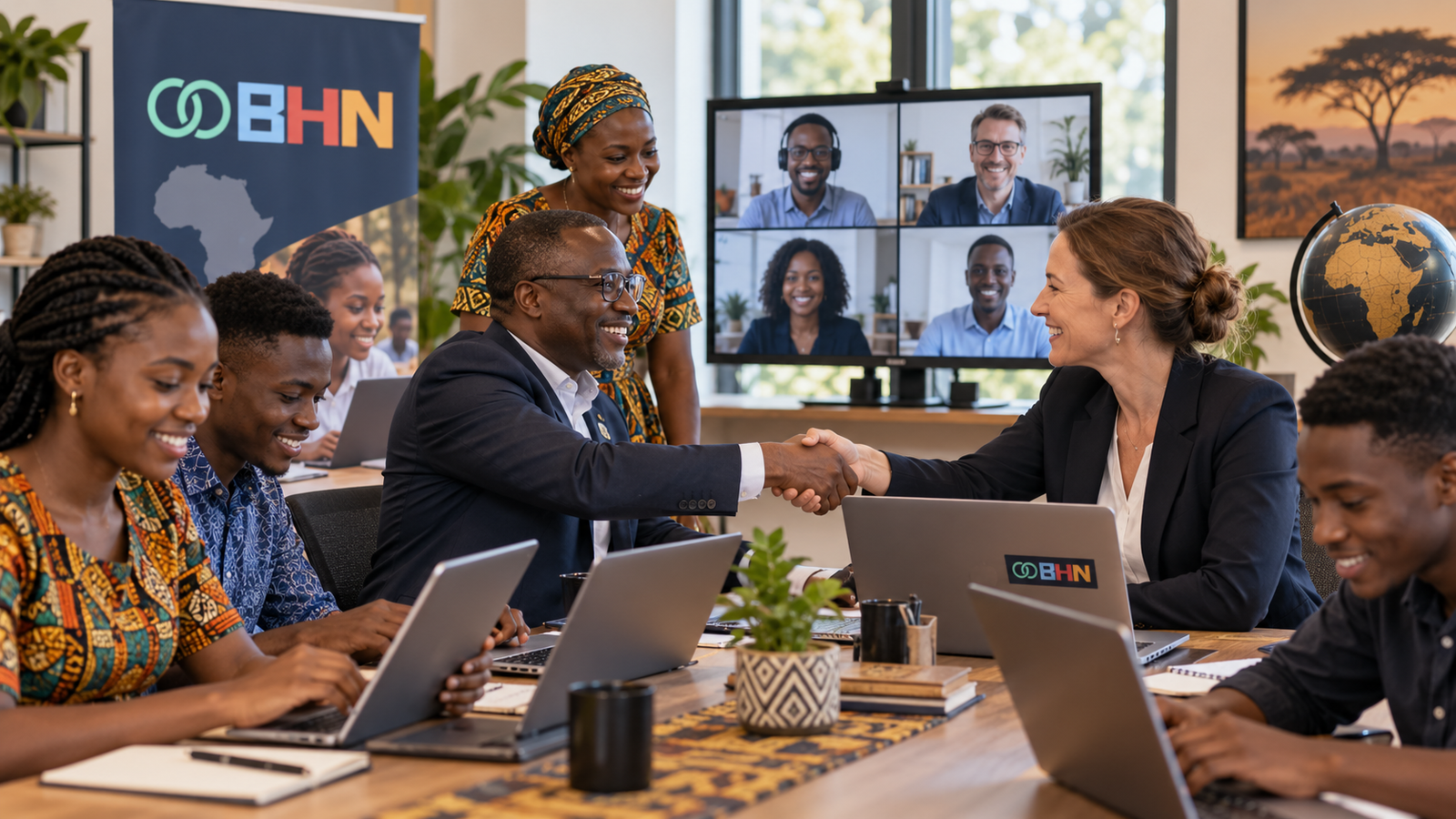
Digital inclusion is strongest when training, infrastructure, mentorship and local ownership develop together. Across Africa, the digital divide is not simply a question of whether people can connect to the internet. It is also about whether learners, families, community organisations and small businesses have the skills, confidence and support needed to use technology in ways that improve their lives.
Local partnerships turn access into opportunity
A computer lab, connectivity project or digital-skills course can create a useful starting point, but lasting progress depends on people and institutions working together. Schools understand the barriers faced by learners. Community organisations know which groups are most likely to be excluded. Employers can identify the skills that are becoming valuable in the workplace. Technology partners can contribute tools, expertise and learning resources. When these strengths are connected, digital inclusion becomes more practical and more responsive to local needs.
For BHN e.V., community partnership is therefore central to expanding digital opportunity. The aim is not to introduce technology as an isolated solution, but to connect learning with mentorship, career development, community problem-solving and responsible digital participation. This approach is especially important for underserved young people, women and girls, and people in communities where cost, infrastructure or limited access to training can restrict participation in the digital economy.
Skills should lead to meaningful participation
Digital inclusion also requires a focus on outcomes. Learners need opportunities to move beyond basic familiarity with technology and develop capabilities that can support education, employment, entrepreneurship and civic participation. Digital skills, artificial intelligence, data literacy, cybersecurity and other emerging fields can open new pathways, but only when learning is accessible and connected to real needs.
Community-led digital transformation works best when people are treated as partners rather than passive beneficiaries. By listening locally, working with trusted institutions and building pathways that combine access, skills and support, organisations can help ensure that digital progress reaches people who might otherwise be left behind.
For Africa’s rapidly growing population of young people, this is more than a technology agenda. It is an opportunity to widen participation, strengthen local capacity and help communities shape their own digital futures.