
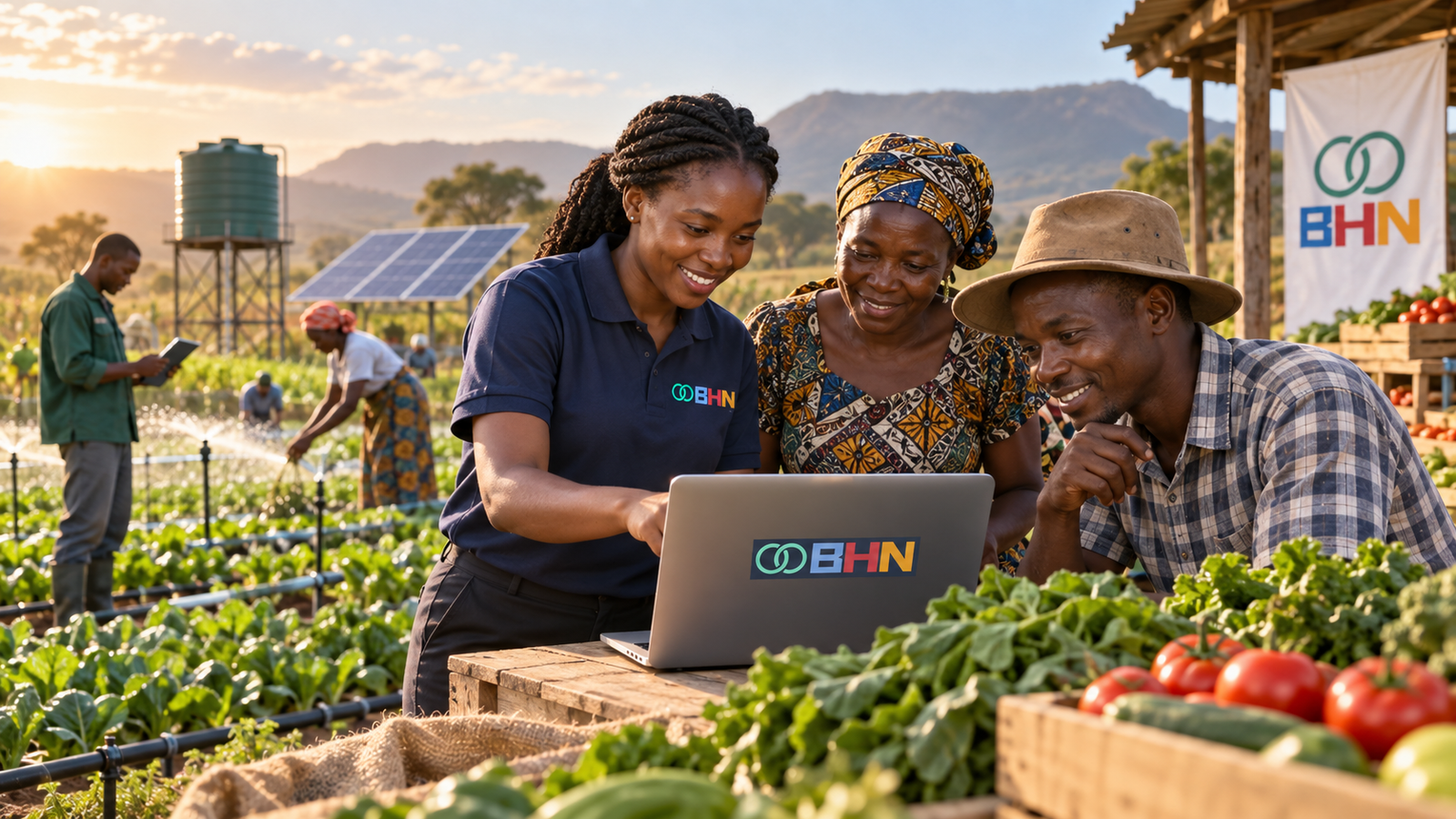
Appropriate digital tools can help farmers and community enterprises improve decisions, productivity and resilience. Across Africa, agriculture remains closely connected to household income, food security and local employment, which means that practical innovation in this sector can have effects far beyond the farm itself.
Useful technology begins with practical problems
For smallholder farmers and rural entrepreneurs, technology is most valuable when it addresses a clear need. Mobile weather information can support planting decisions. Digital record-keeping can help producers understand costs and income. Market information can reduce uncertainty when farmers decide where and when to sell. Online learning can make agricultural knowledge easier to access, while simple digital tools can support cooperatives, inventory management and communication with buyers.
These opportunities are growing, but access remains uneven. Connectivity, device costs, electricity, language and digital confidence can all determine whether a tool is genuinely useful. Sustainable agriculture therefore requires more than introducing new applications. Farmers and community enterprises need practical training, local support and solutions that fit the scale of their work.
Climate resilience and livelihoods belong together
Climate variability is increasing the importance of better information, resource efficiency and diversified income. Digital agriculture can support more informed use of water, inputs and land, but resilience also depends on local knowledge and the ability of communities to adapt. Technology should complement that knowledge rather than displace it.
BHN’s interest in sustainable livelihoods reflects this connection between digital inclusion and economic opportunity. When farmers, young entrepreneurs and community organisations can use technology confidently, they are better positioned to identify markets, manage resources and explore new services around agriculture and local value chains.
The wider opportunity is to make digital transformation relevant to everyday livelihoods. Innovation does not have to mean expensive equipment or complex systems. A well-designed mobile service, a practical digital-skills session or access to reliable market information can be just as important.
By linking digital skills with sustainable agriculture and local enterprise, communities can strengthen resilience while creating new pathways for income, learning and participation in a changing economy.