
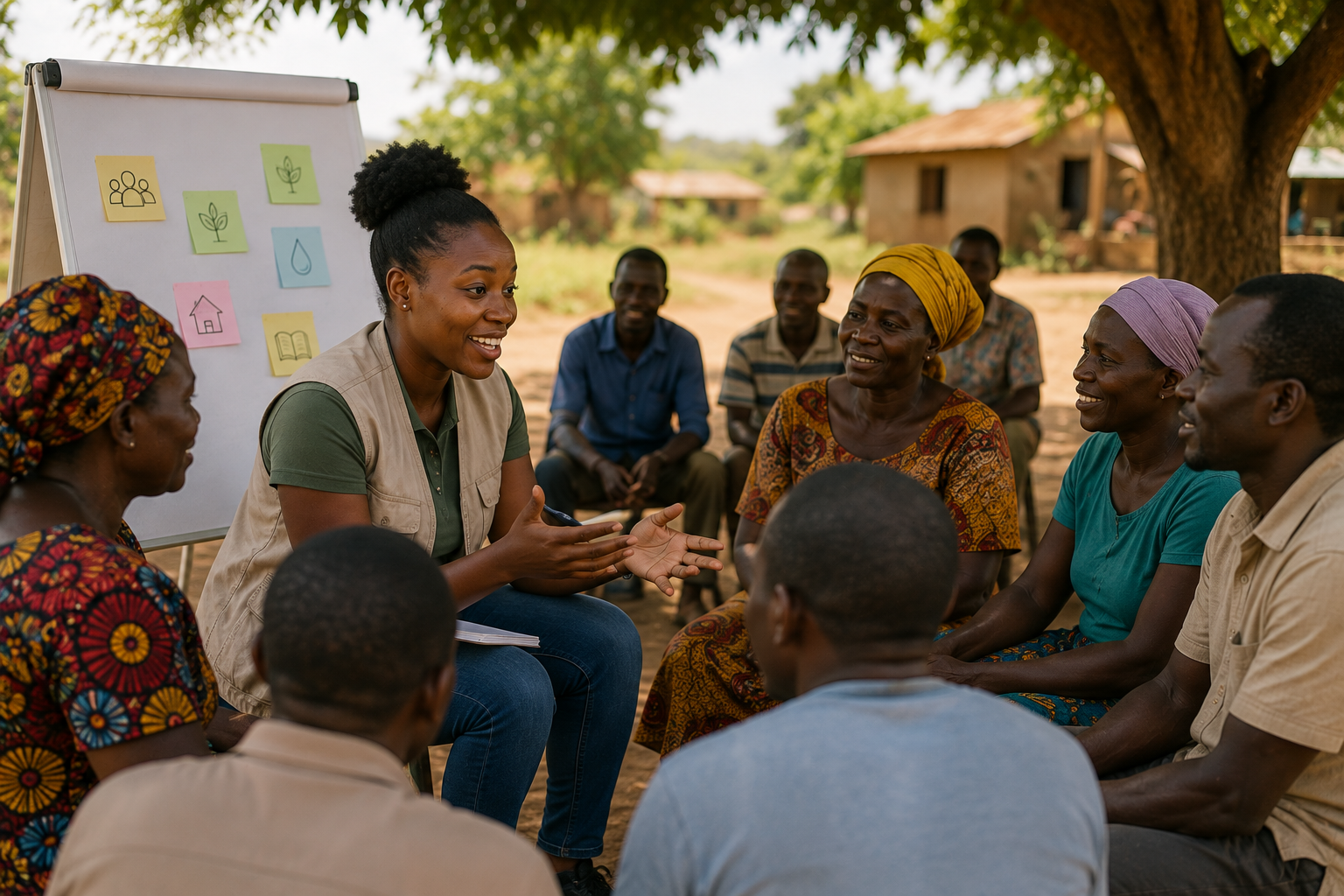
Partnership-based support can help communities respond to urgent needs and recover with dignity. Humanitarian crises may be triggered by conflict, displacement, extreme weather, health emergencies or other sudden shocks, but their effects are always experienced by people with different needs, vulnerabilities and capacities.
Effective support starts with listening and coordination
In an emergency, speed matters, but so does accuracy. Assistance is more useful when organisations understand what communities actually need and coordinate with credible local actors. Uncoordinated donations can create duplication or deliver items that are difficult to use, while locally informed support can help direct limited resources toward genuine priorities.
Community organisations often have relationships and contextual knowledge that external responders do not. Working through these networks can improve communication, identify groups at risk of being overlooked and strengthen accountability. It can also help ensure that support respects dignity rather than presenting people only as victims of a crisis.
Recovery continues after immediate needs
Humanitarian support should also consider what happens when the first phase of an emergency passes. Families may need to return to education, rebuild livelihoods, replace documents, reconnect with services or develop new skills. Digital access can become important during recovery because information, learning, financial services and employment opportunities are increasingly online.
BHN’s broader mission in education, digital inclusion and community development provides a useful foundation for this longer-term perspective. The organisation’s role is not to replace specialised emergency agencies, but to contribute through partnership and community-oriented support where its capabilities are relevant.
Responsible humanitarian action requires safeguarding, transparency and careful use of resources. It should avoid making promises that cannot be kept and should communicate clearly about what support is available.
The purpose of emergency assistance is ultimately to help people regain stability and choice. By working with trusted partners and connecting immediate support with pathways toward learning, livelihoods and resilience, humanitarian action can contribute not only to survival, but to recovery with dignity.