
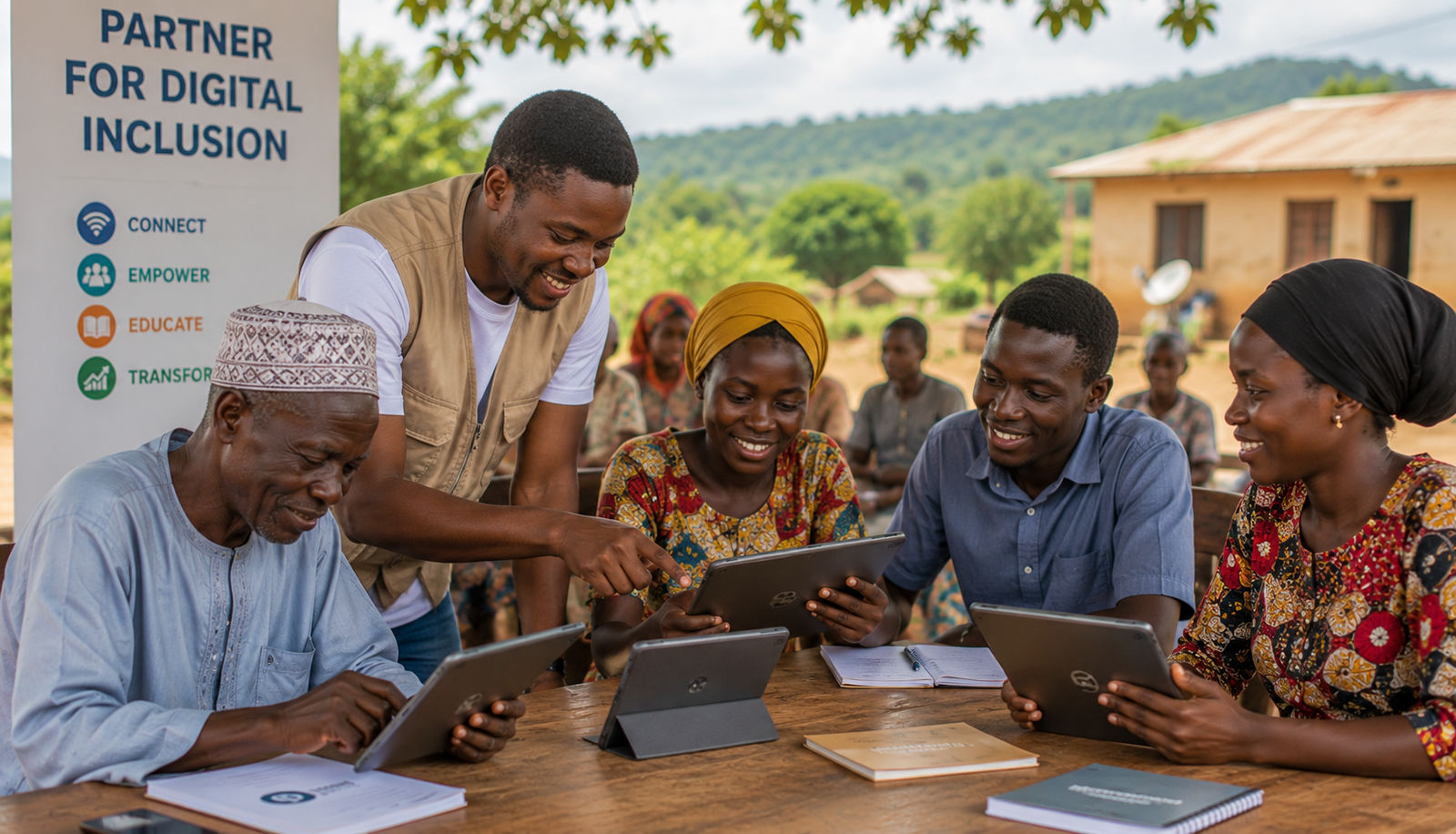
Collaborate with BHN on scholarships, mentoring, equipment, research and community-based innovation. Digital inclusion is a shared challenge, and no single organisation can provide every element needed to turn technology access into meaningful opportunity.
Partnership can connect complementary strengths
Different institutions bring different assets. Universities contribute knowledge, research and student networks. Technology companies can provide expertise, tools and exposure to current professional practice. Foundations may support resources and programme development. Civil-society organisations bring local relationships and implementation experience. Professional networks can connect learners with mentors and career pathways.
BHN seeks partnerships that bring these strengths together around practical goals in digital education and community development. A useful partnership is not defined only by financial value. Access to learning platforms, professional mentoring, equipment, research collaboration or specialist knowledge can each remove barriers for learners and community organisations.
Digital inclusion requires more than connectivity
Being online does not automatically mean being included in the digital economy. People need skills, safe access, relevant content and opportunities to apply what they learn. Women and girls, unemployed young people, students with limited resources and people in vulnerable communities may face additional barriers that require targeted support.
Partnerships can help address these barriers more effectively when they are designed with local context in mind. This includes considering affordability, language, accessibility, infrastructure and the long-term ability of participants to continue using the skills or tools provided.
BHN’s partnership approach is based on shared responsibility. Clear objectives, transparent roles and realistic commitments help organisations understand what success should look like. Responsible collaboration also requires respect for privacy, safeguarding and the independence of community partners.
For institutions seeking to contribute to Africa’s digital transformation, partnership offers a way to move from broad commitments to practical participation. By connecting learning, mentorship, technology and local knowledge, partners can help widen the pathways through which people gain the skills and confidence to shape their own digital futures.