
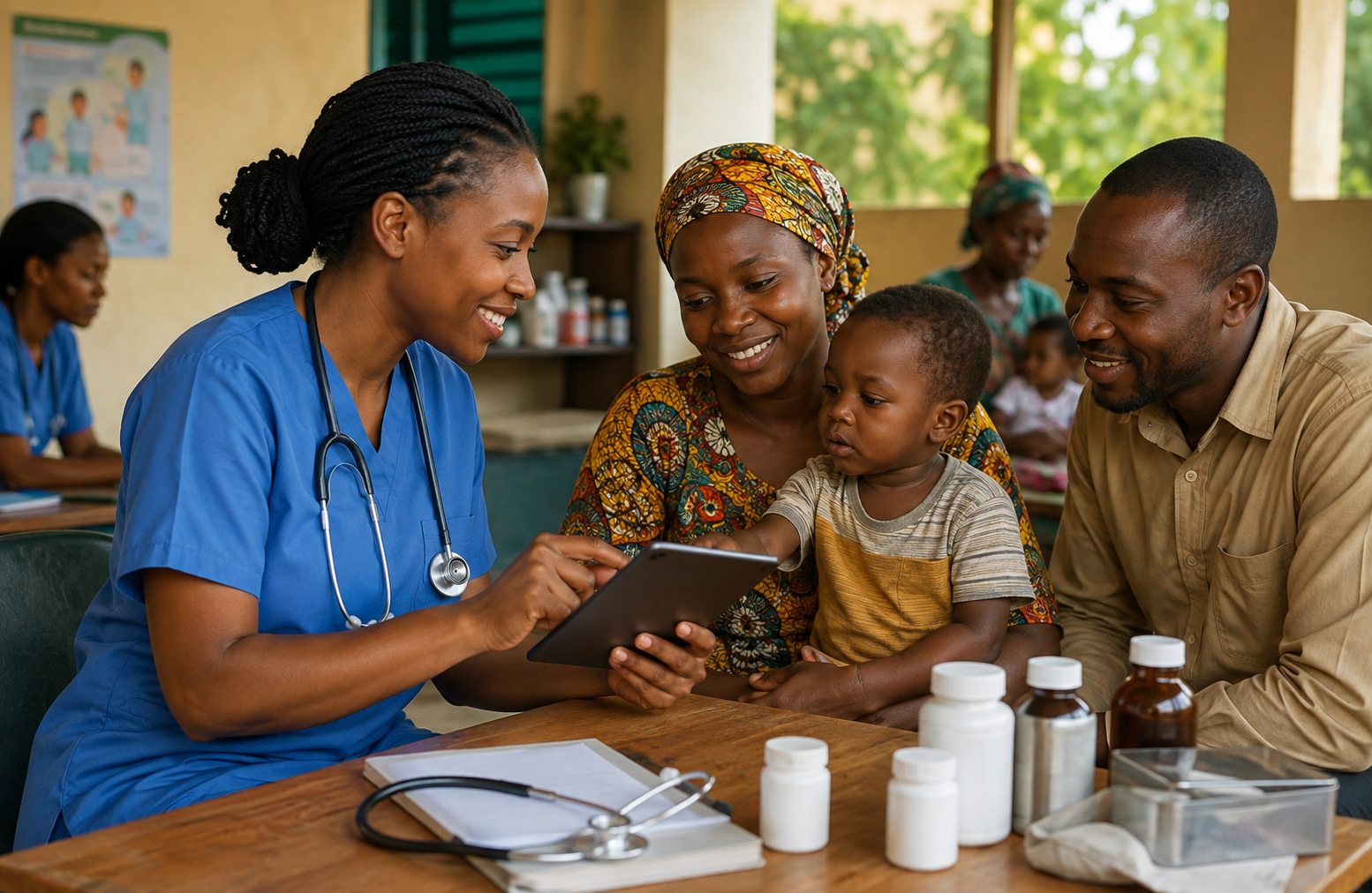
Community-focused action can strengthen health knowledge, wellbeing and local resilience. Healthy communities depend on more than access to treatment: people also need reliable information, supportive social networks, safe environments and the confidence to seek appropriate help when problems arise.
Prevention begins with understandable information
Health messages are most useful when people can understand and trust them. Community organisations can play an important role in sharing evidence-based information, encouraging prevention and helping residents navigate available services. Digital communication can extend that reach, especially through mobile platforms, but information should always be presented responsibly and should never replace qualified medical advice.
Digital literacy is increasingly relevant to health because many people search online before deciding what to do. Being able to recognise unreliable claims, protect personal information and identify credible health sources is becoming part of everyday wellbeing.
Wellbeing includes dignity and resilience
Economic pressure, displacement, unemployment, educational disruption and social isolation can all affect mental and emotional wellbeing. Community support systems can help people feel connected and can make it easier to identify when someone needs professional assistance. Women, young people, older adults and people with disabilities may face different barriers, so inclusive programmes need to listen carefully to those experiences.
BHN’s focus on community wellbeing is connected to education, digital inclusion and livelihoods. Better access to information can improve decision-making. Learning opportunities can strengthen confidence. Sustainable income can reduce some sources of household stress. These areas should not be treated as completely separate from health.
Supporting community health means strengthening the conditions that help people make informed choices and look after one another. By working with local organisations and respecting the role of professional health services, community initiatives can contribute to awareness, prevention and resilience. The long-term goal is not only to respond when people become vulnerable, but to help create communities with stronger knowledge, connections and capacity to protect wellbeing.