
Tools and practical support for mission-driven African organisations.
Digital capacity is an organisational issue
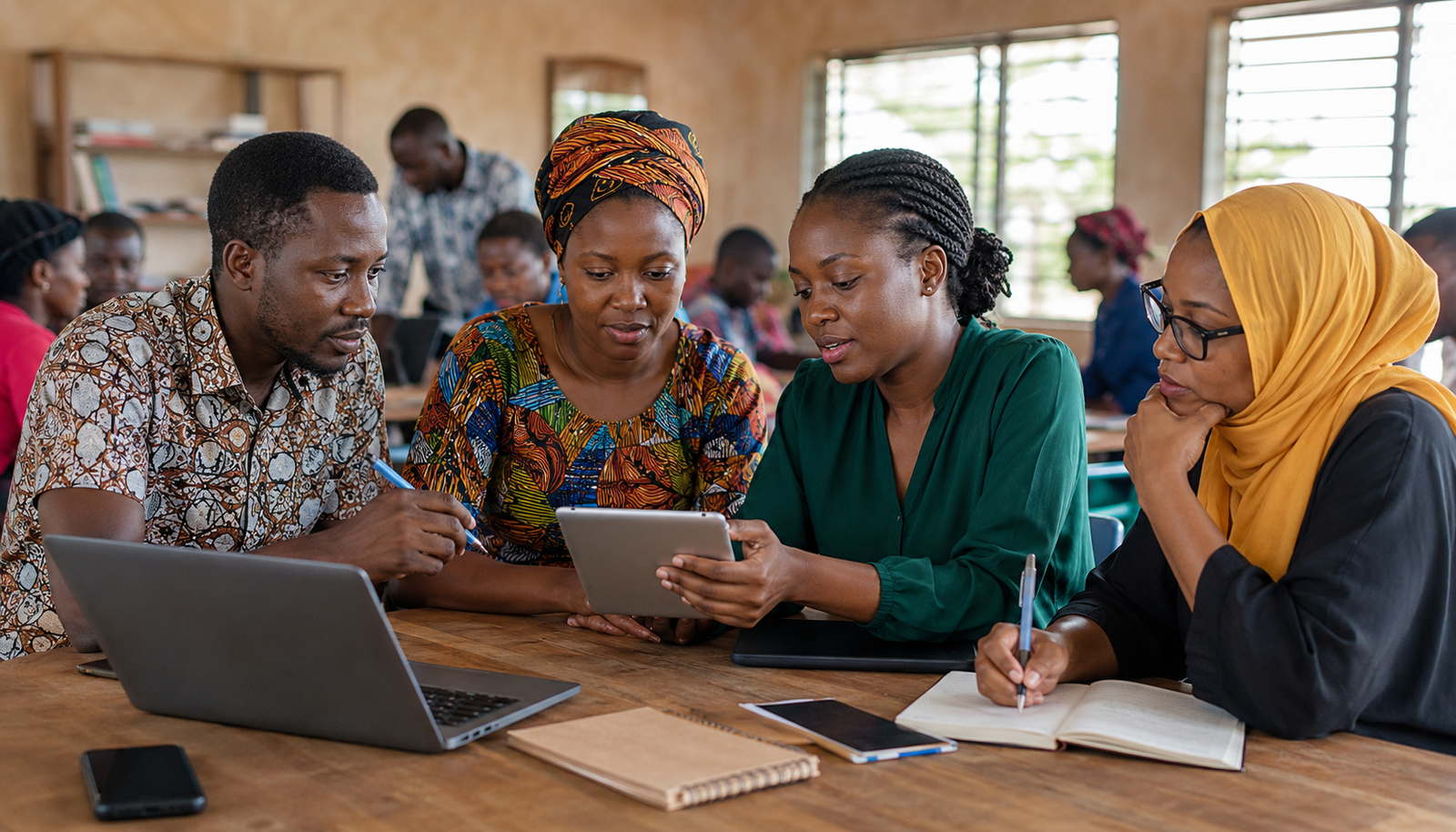
Digital transformation is sometimes treated as a matter of buying software. In practice, technology only improves an organisation when people know why a tool is needed, how it fits existing work and who is responsible for using it well. A simple shared document system that staff understand can be more valuable than an expensive platform that nobody maintains.
Useful areas of capacity building can include digital communications, data collection, cybersecurity, cloud collaboration, monitoring and evaluation, online fundraising, project management and responsible use of artificial intelligence. The priority should depend on the organisation’s mission and operating environment rather than on technology trends alone.
Security and trust are essential
Civil-society organisations may handle sensitive information about beneficiaries, staff, donors and partners. As their digital activity grows, so does the importance of access control, secure passwords, backups, privacy awareness and clear responsibility for data. Small organisations are not too small to face cyber risks, and basic security habits can prevent avoidable disruption.
BHN’s approach to digital capacity is grounded in practical support and knowledge sharing. Stronger organisations can communicate with partners more effectively, document their work, coordinate teams and use evidence to improve programmes. They are also better placed to participate in partnerships that increasingly require digital reporting and collaboration.
Capacity building works best when it leaves organisations more independent. Training should therefore help teams understand systems rather than depend permanently on outside technical support. By strengthening digital confidence alongside organisational processes, African civil-society organisations can use technology as a tool for better service, accountability and community impact.